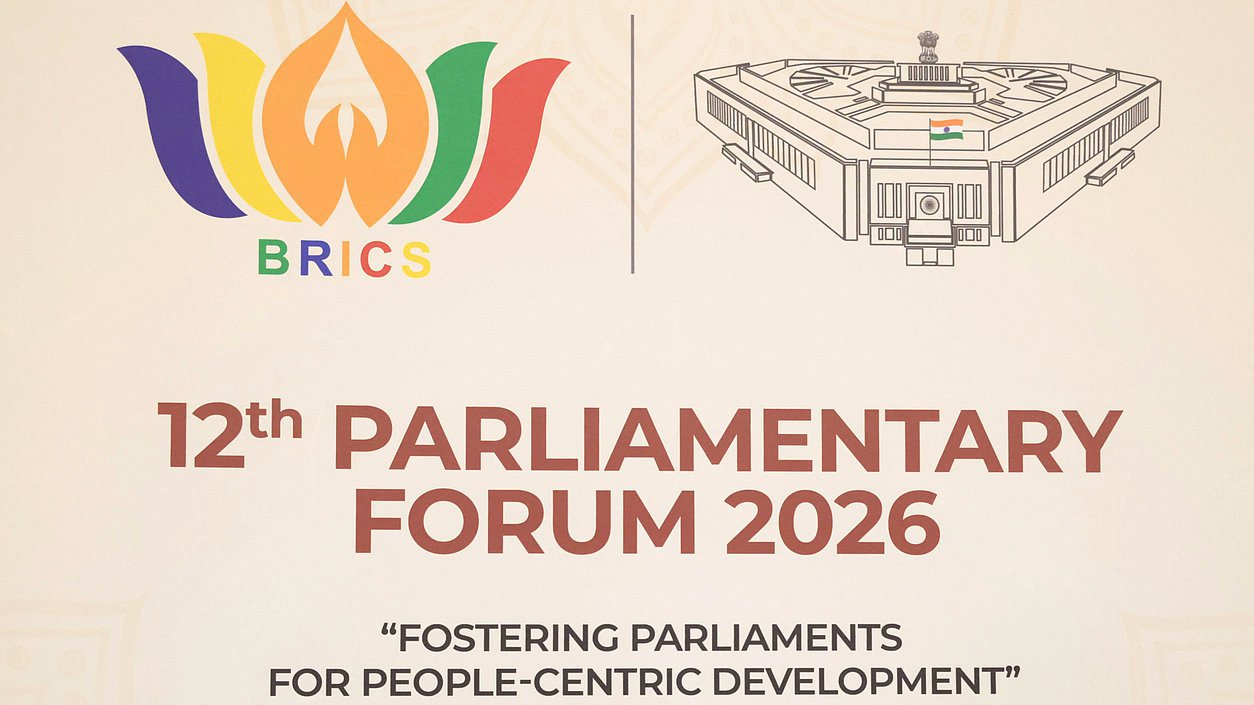
The parliamentarians of BRICS
member and partner states supported the adoption of the Joint declaration of the 12th BRICS International Parliamentary Forum which is held in New Delhi.
The document noted the importance
of providing “legislative support to strengthen the BRICS Strategic Partnership
within the respective constitutional mandates and competencies of member
Parliaments, across the three pillars of cooperation:
- political and security,
- economic and financial,
- cultural and people-to-people exchanges.”
“We reaffirm our adherence
to the principles of sovereign equality, mutual respect, non-intervention in internal affairs, and the peaceful settlement of international disputes, as enshrined in the United Nations Charter, as essential foundations for global stability,
peace and development,” the document says.
The BRICS parliamentarians recognize
that inter-parliamentary cooperation is an important component of the BRICS
cooperation framework. “It serves as a unique channel to foster mutual
understanding, build trust among nations, support the peaceful resolution of international disputes, strengthen our international cooperation and promote
the values of inclusiveness, solidarity, and sustainable development. In this
regard, we reaffirm the role of the BRICS Parliamentary Forum and acknowledge
the considerable contributions made by the eleven preceding meetings of the BRICS Parliamentary Forum in strengthening inter-parliamentary dialogue and cooperation among the Parliaments of the BRICS member countries,” notes the text of the declaration.
The BRICS parliamentarians look
forward to strengthening BRICS interaction within international parliamentary
fora, including the Inter-Parliamentary Union (IPU), to amplify the voice of the Global South. “In this regard, we take note of Russia's initiative to consider the idea of establishing a BRICS Plus geopolitical group within IPU,”
the document says.
The legislators from BRICS
member and partner states emphasize “the contribution of parliamentary
diplomacy, inter-parliamentary dialogue and cooperation to advancing a more
representative and inclusive global governance architecture, within the respective constitutional mandates and competencies of member Parliaments.”
“We strongly condemn all
violations of international humanitarian law, including deliberate attacks
against civilians and civilian infrastructure, including in BRICS Member
States, as well as the denial or obstruction of humanitarian access and the targeting of humanitarian personnel,” the declaration says.
The parliamentarians also condemn
“the imposition of unilateral coercive measures that are contrary to international law”. “We reiterate that such measures, inter alia in the form of unilateral economic sanctions and secondary sanctions, have far reaching
negative implications on human rights, including the right to development,
health and food security of the general population of targeted states. We call
for the elimination of such unlawful measures which undermine international law
and the principles and purposes of the UN Charter,” emphasizes the document.
The legislators of BRICS
members and partner states draw special attention to the issues of development
of digital technologies and artificial intelligence. “We recognize that
Artificial Intelligence (AI) presents immense opportunity to stimulate economic
growth and sustainable development for all. We further note the importance of international cooperation in enhancing equitable access to AI resources,
capacity building, knowledge and opportunities in accordance with national
priorities and applicable laws while ensuring the safe, secure inclusive and reliable development and use of AI,” they stress.
The representatives of Russia, India, the UAE, China, Brazil, Iran, Egypt, Thailand, Uganda, Belarus,
Cuba, Bolivia, Kazakhstan and Uzbekistan take part in the Forum’s events.